Create:
June 21, 2024
Valve Testing: What Tests Prove — and What They Don’t
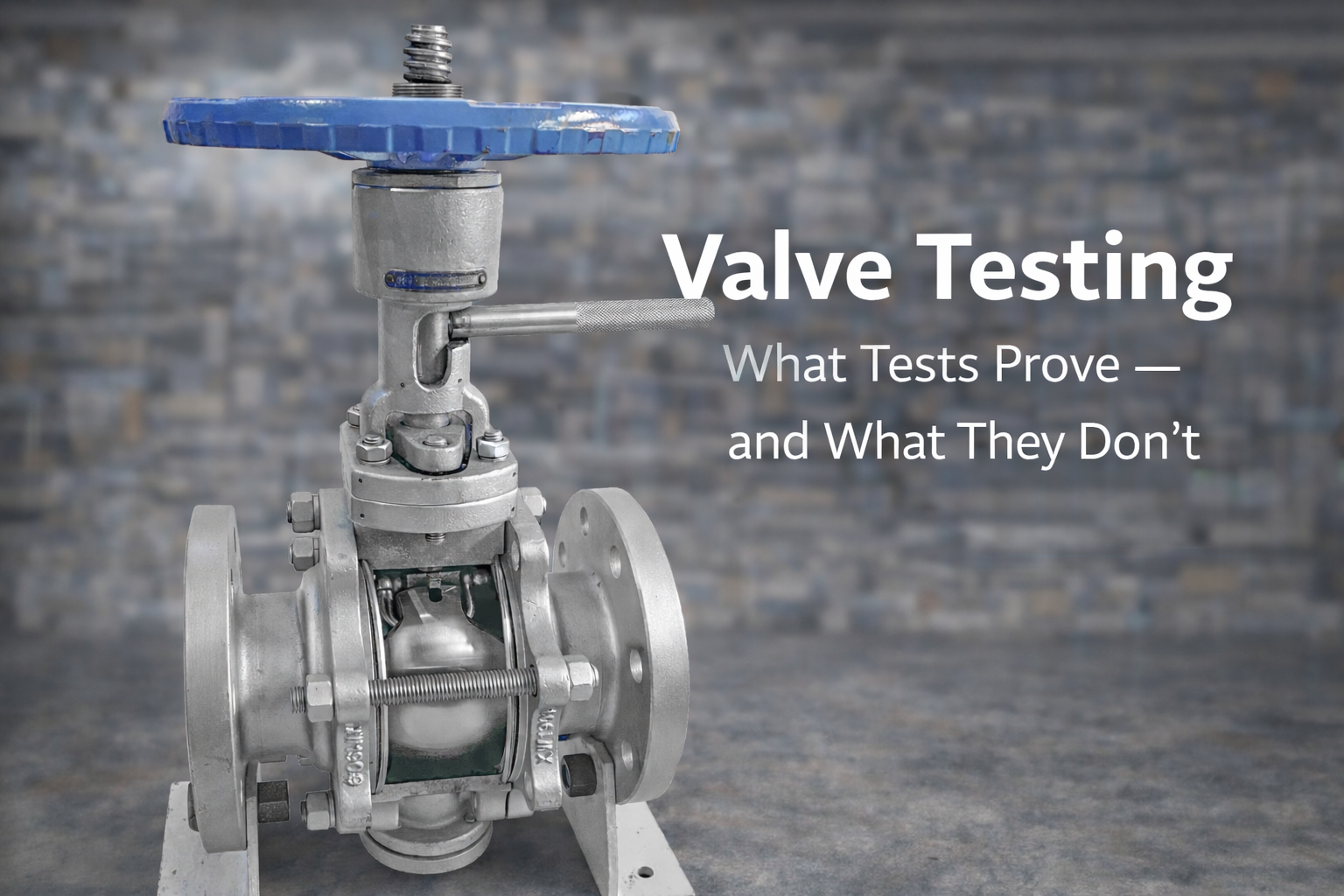
Valve testing is often treated as the final proof of quality.
A valve passes hydro, passes seat leakage, maybe even passes fire-safe or fugitive emissions testing — and is declared “good.”
In reality, valve tests do not prove reliability.
They prove something much narrower — and misunderstanding that difference is a common cause of field failure disputes between suppliers, EPCs, and end users.
This article explains what valve tests actually demonstrate, and just as importantly, what they do not.
Valve Testing Is About Compliance, Not Prediction
Every valve test is conducted under:
- Controlled conditions
- Short duration
- Limited load cases
That means tests confirm minimum compliance, not long-term performance.
A valve that passes all factory tests can still fail in service — and often does.
Understanding why requires looking at each test honestly.
Hydrostatic Test: Pressure Containment, Not Reliability
The hydrostatic (hydro) test pressurizes the valve body with water, typically to 1.5 times the rated pressure.
What it proves:
- The pressure boundary is intact
- There are no gross casting defects
- The valve will not immediately rupture
What it does not prove:
- Long-term structural integrity
- Resistance to fatigue
- Performance under thermal cycling
- Resistance to stress relaxation or creep
A cast valve with internal shrinkage or porosity can easily pass a hydrotest and still fail months later under cyclic pressure or temperature changes.
Passing hydro means “safe today”, not “safe in service.”
Seat Leakage Test: Geometry Check, Not Durability Check
Seat leakage testing verifies sealing between the closure element (ball, disc, gate) and the seat.
What it proves:
- Machining quality
- Initial contact geometry
- Proper assembly
What it does not prove:
- Resistance to wear
- Performance after cycling
- Behavior at operating temperature
- Resistance to vibration or flow-induced forces
Seat tests are static and short.
Real valves operate dynamically, under load redistribution and thermal expansion.
This is why a valve can pass a zero-leakage seat test in the factory and still leak after startup.
Zero leakage is a test result, not a service guarantee.
Fire-Safe Testing: Survival, Not Functionality
Fire-safe testing exposes a valve to direct flame after soft sealing elements are destroyed.
What it proves:
- The valve will not rupture
- Metal-to-metal sealing limits leakage
- The pressure boundary remains intact during fire exposure
What it does not prove:
- The valve will remain operable
- The valve will seal normally after the fire
- The valve can withstand repeated fire exposure
Fire-safe does not mean “no leakage.”
It means controlled leakage under extreme conditions.
Fugitive Emissions Testing: Design Quality Indicator
Fugitive emissions (FE) testing focuses on leakage to atmosphere, primarily from the stem sealing system.
What it evaluates:
- Packing design
- Stem surface finish
- Load distribution
- Behavior under cycling and temperature variation
Why EPCs value FE testing:
- It simulates repeated operation
- It reflects long-term sealing behavior
- It exposes poor packing and stem designs
Unlike hydro or seat tests, FE testing is closer to real service conditions for many applications.
Why Passing All Tests Still Doesn’t Guarantee Success
Valves fail in service due to factors that tests rarely include:
- Thermal cycling
- Vibration
- Load path redistribution
- Operator over-tightening
- Process upsets
- Flow-induced erosion or cavitation
Most factory tests are:
- Short
- Static
- Isolated from system effects
Testing validates compliance. Engineering determines reliability.
The Engineering Takeaway
Valve tests confirm minimum compliance under controlled conditions.
Real reliability depends on how design, materials, manufacturing defects, and load paths interact in service.
Understanding this difference is essential for anyone working with EPCs, end users, or critical valve applications.
Latest news

Leadership Philosophy
February 14, 2025
Read more
Major Mission
December 25, 2024
Read more
Market Trends in the Valve Industry: Key Developments and Projections for the Next Five Years
December 26, 2024
Read more
Most Valve Failures Are Material Failures, Not Design Failures
December 29, 2025
Read more
The Six Main Types of Industrial Valves — and When to Use Them
December 30, 2025
Read more
Why Gate Valves Should Not Be Used for Throttling
December 30, 2025
Read more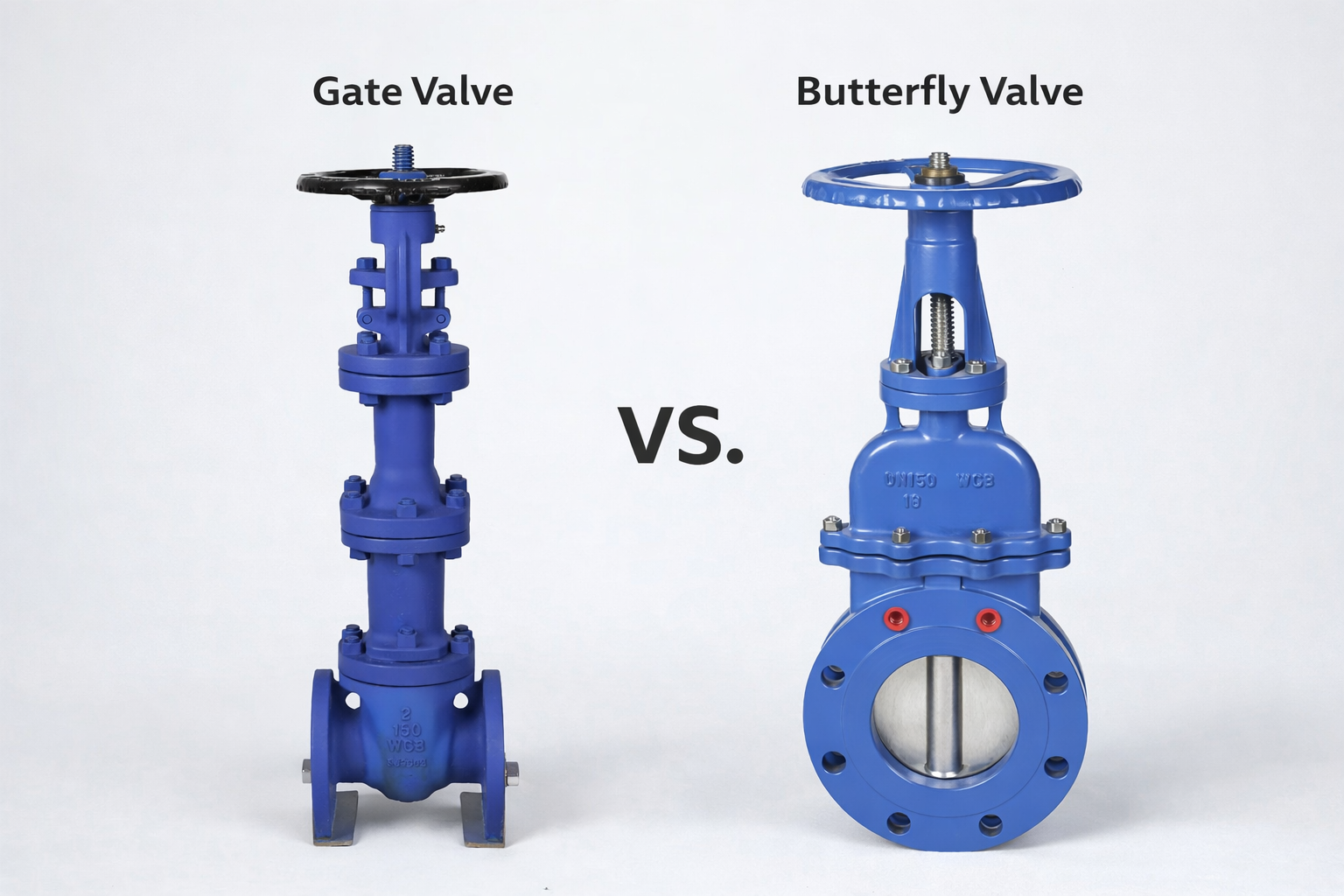
Butterfly vs Gate Valves: Choosing the Right Valve for Large Pipelines
January 1, 2026
Read more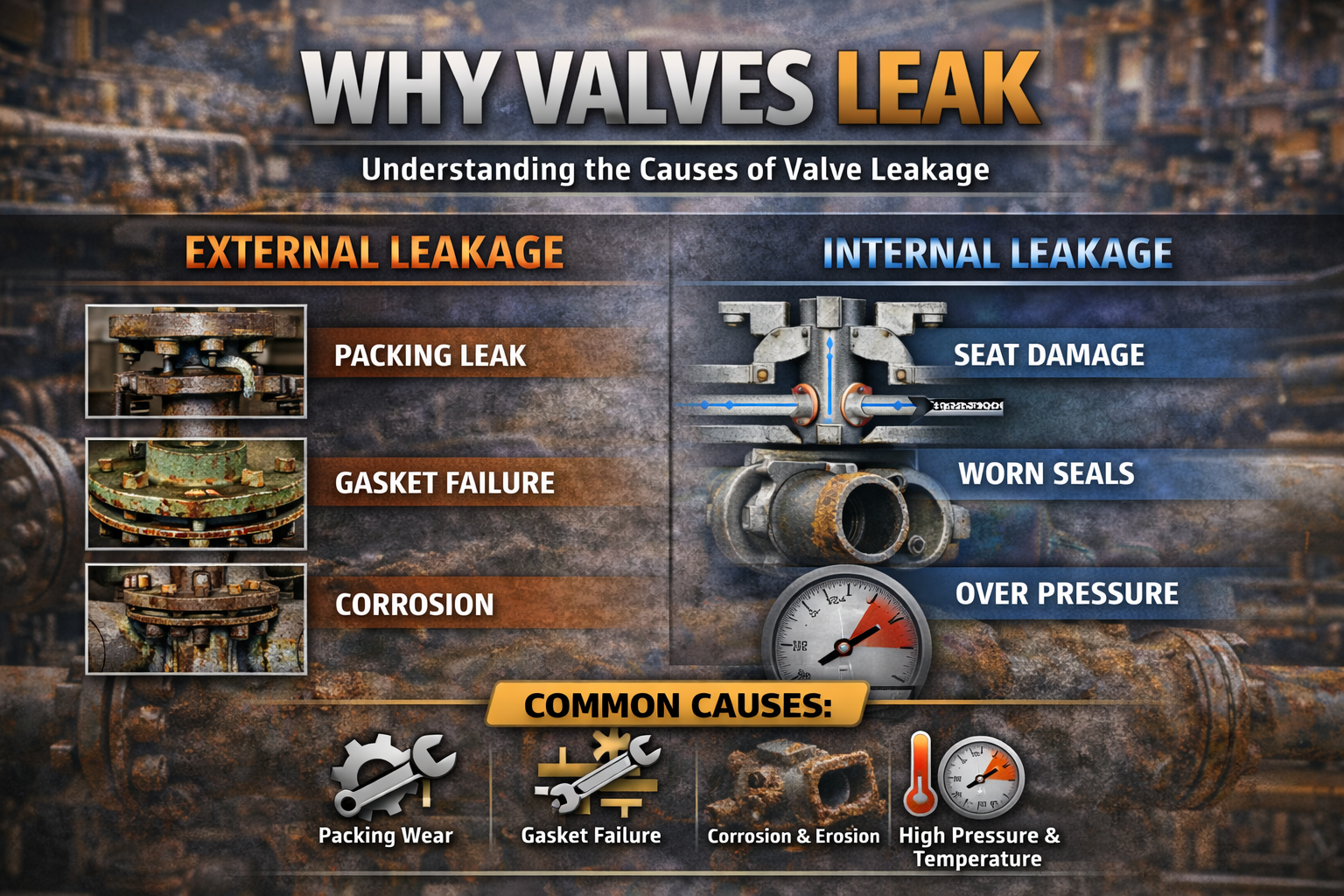
Why Valves Leak: The Real Reasons Behind a Common Industrial Problem
January 2, 2026
Read more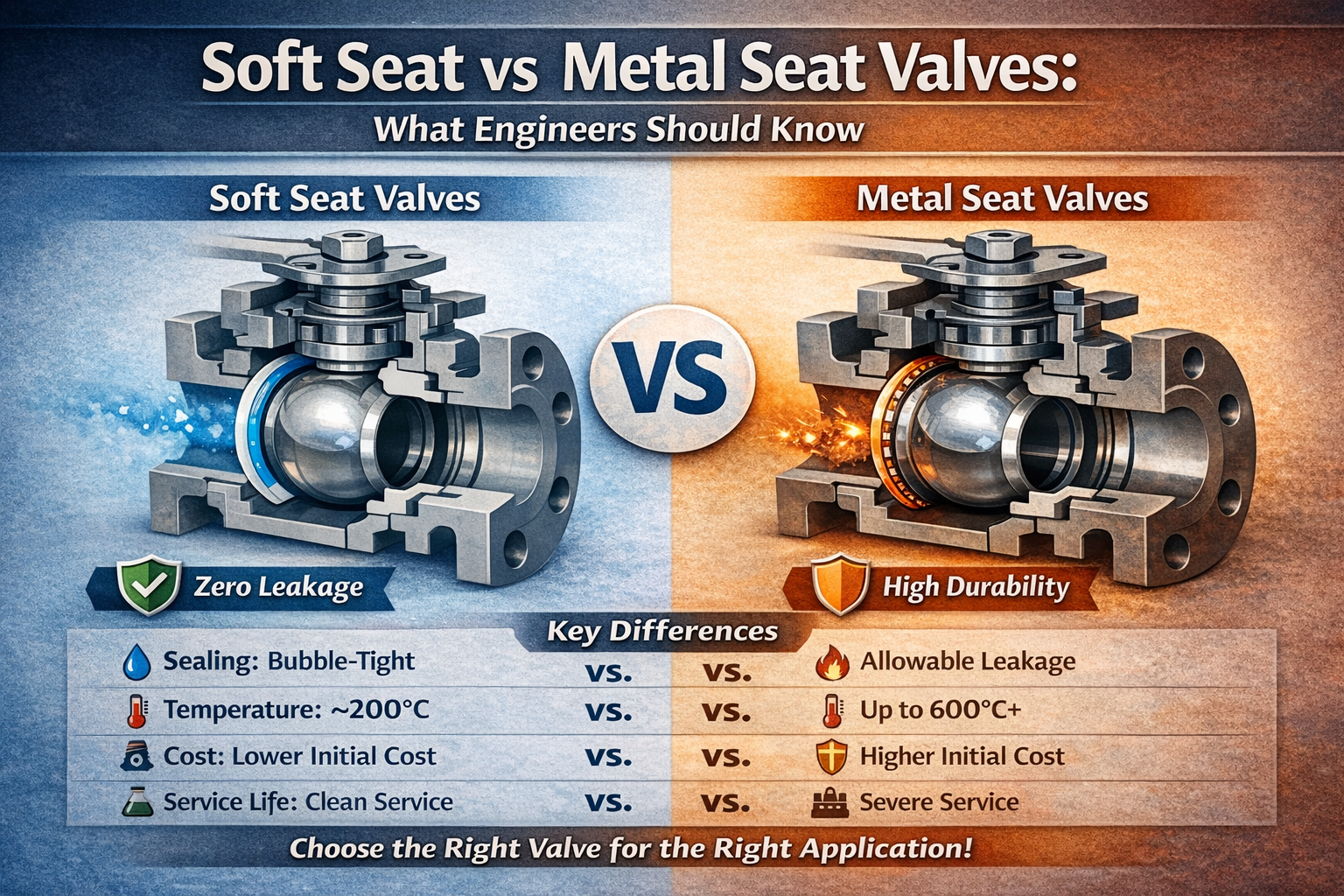
Soft Seat vs Metal Seat Valves: What Engineers Should Know
January 3, 2026
Read more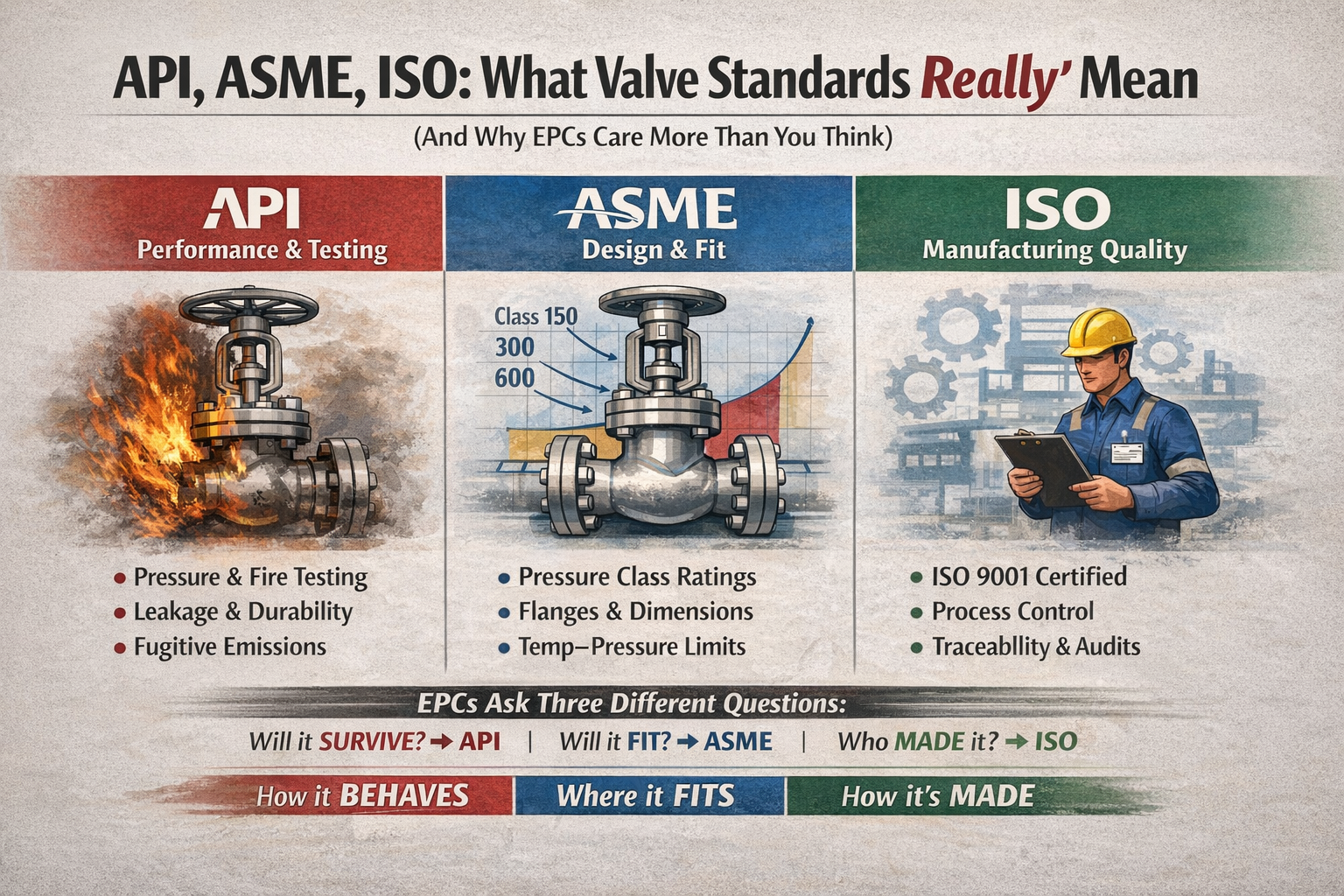
API, ASME, ISO: What Valve Standards Really Mean
January 4, 2026
Read more
Valve Selection Challenges in Oil & Gas Projects
January 5, 2026
Read more
Casting vs Forging
January 6, 2026
Read moreValve Testing: What Tests Prove — and What They Don’t
January 8, 2026
Read more
10 Things Nobody Told You About Being a Web Designer
June 21, 2024
Read more
5 Web Design Blogs You Should Be Reading
June 21, 2024
Read more
7 Ways To Improve Website Usability And Accessibility
June 21, 2024
Read more
20 Myths About Web Design
June 28, 2024
Read more
Designers Who Changed the Web
June 21, 2024
Read more
The History Of Web Design
June 21, 2024
Read more
10 Great Examples of Responsive Websites
June 21, 2024
Read more
10 Quick Tips About Blogging
June 21, 2024
Read more
7 of the Best Examples of Beautiful Blog Design
June 21, 2024
Read more
